30 July 2026

In memory of the ten lost on Broad Peak.

An avalanche took ten climbers off the slope between Camp 2 and Camp 3 on a Thursday morning in the Karakoram. One of them was from Hunza. This page is for all ten of them.

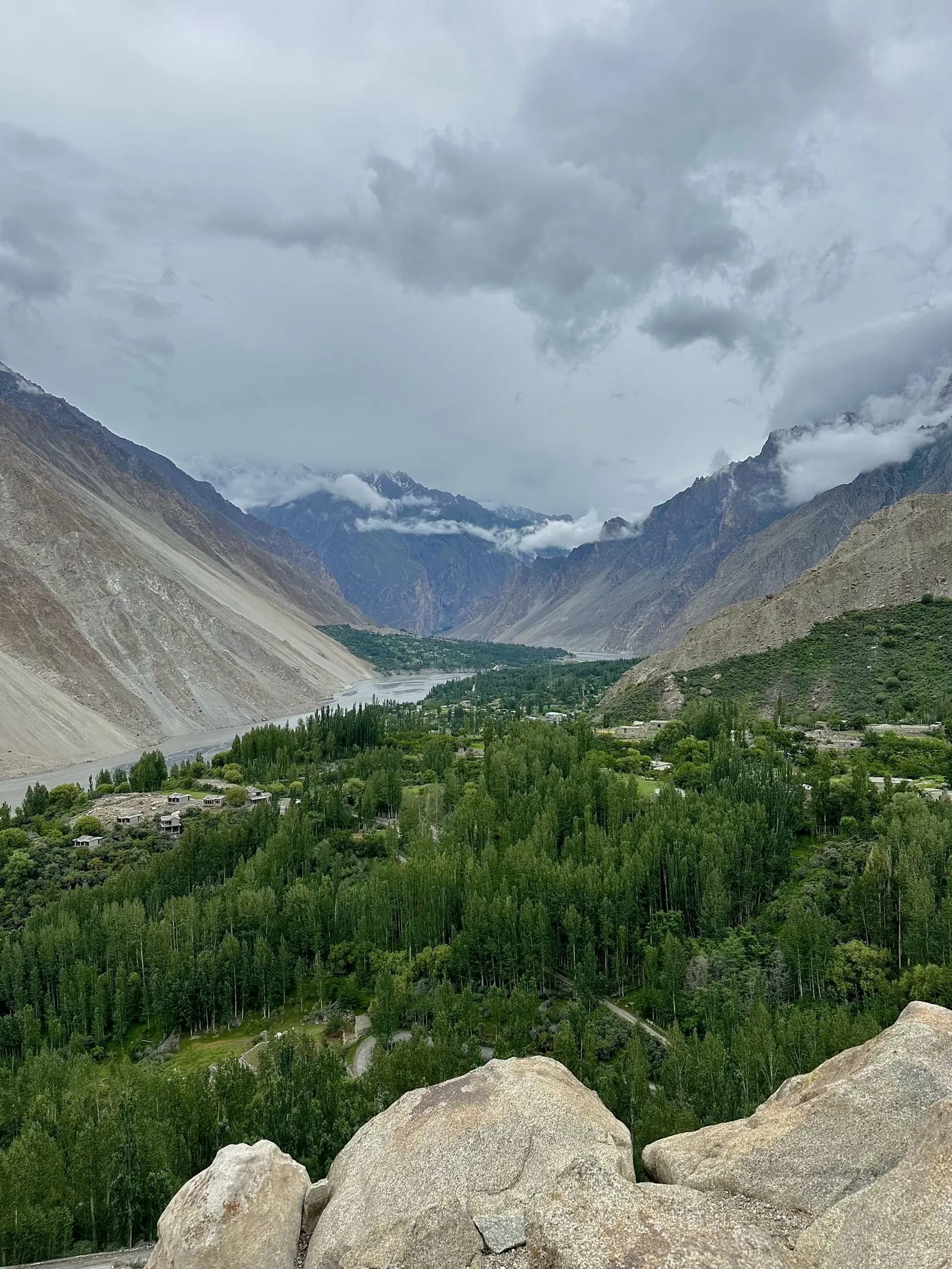
The Hunza valley under heavy cloud, green orchards and poplars along the river between bare mountain walls

We run a homestay and guided treks in Ghulkin, in Upper Hunza. We were not on Broad Peak, we had nobody on that expedition, and we are not going to pretend otherwise. We are writing this because one of the ten was a Gilgit-Baltistan man from our own valley, and because a great many people who come to us for a week of walking will arrive having read a headline about this and wondering what it means. Both of those deserve a straight answer in one place.

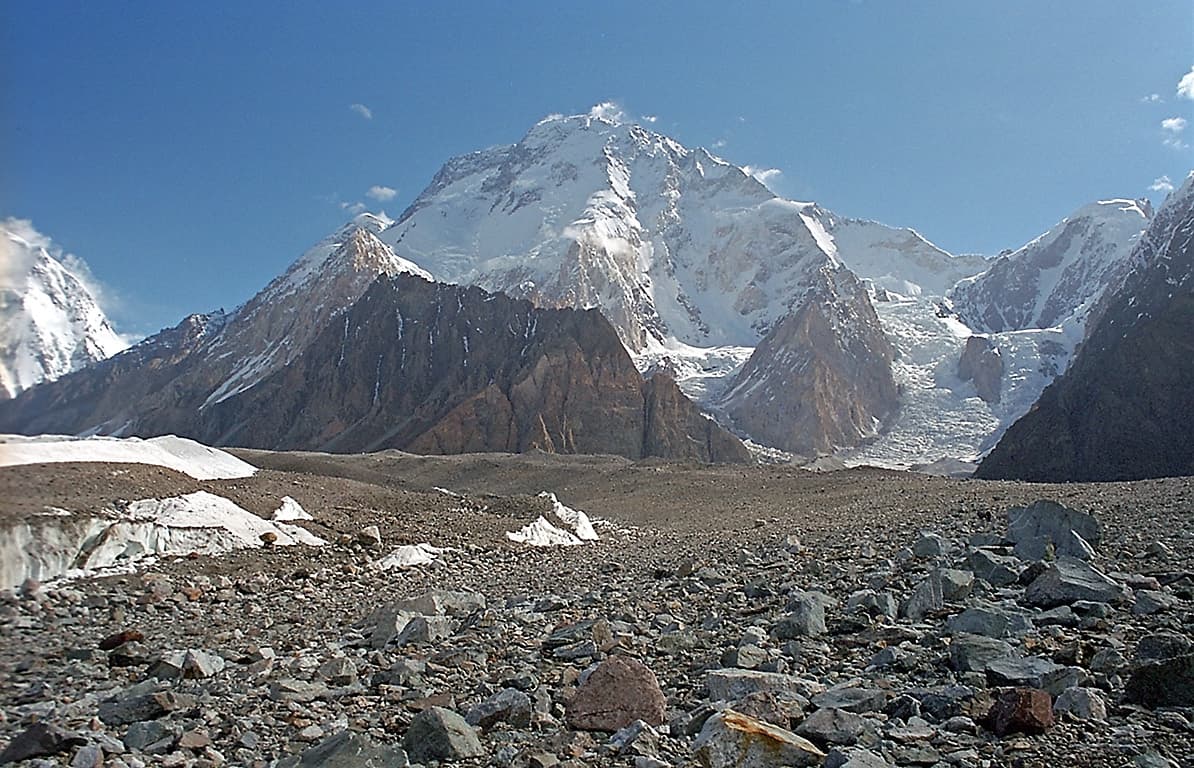
Broad Peak seen from Concordia, its long snow summit ridge rising above the Baltoro glacier

Broad Peak from Concordia. Photograph by Kogo, Wikimedia Commons, CC BY-SA 3.0.

What happened on Broad Peak

Broad Peak stands at 8,051 metres in the Karakoram range of Gilgit-Baltistan, on the border with China, a few hours' walk from K2 along the Godwin-Austen glacier. It is the twelfth highest mountain in the world and the most frequently climbed of Pakistan's five 8,000 metre peaks, which does not make it a forgiving one.

On the morning of Thursday 30 July 2026, between roughly nine and half past nine local time, an avalanche released into the mountain's main west-facing gully and swept ten climbers off the slope between Camp 2 and Camp 3, at around 6,600 metres. They were carried close to a vertical mile down the mountain. The party was made up of guides and clients drawn from several operators climbing the standard west ridge route: Elite Exped, Seven Summit Treks and Imagine Nepal.

Word did not reach anyone who could act on it until late that night, roughly thirteen hours later, and a full day of helicopter light was lost with it. Recovery teams, including one from Karakorum Expeditions, reached the debris on 31 July and brought down three bodies, those of Nadhira Al Harthy, Pur Bahadur Gurung and Mallory Geis. A drone located seven more. On 1 August Elite Exped confirmed that none of the ten had survived. Irfan Arshad Khan, president of the Alpine Club of Pakistan, described the loss to world mountaineering as immeasurable, and it is difficult to argue with him: among the ten were men who between them had summited Everest more than thirty times.

This page was written on 3 August 2026, four days after the avalanche. Recovery was still under way and some details, particularly around the Chinese climber Wang Zhong, are thinly reported. Where our sources disagreed we have said the more cautious thing. We will correct this page as better information arrives.

The ten climbers

Six of the ten were working. That is the first thing to understand about this list.

Sohail Sakhi

Pakistan

The only Pakistani on the mountain that morning, and a Hunza man. He worked as a high-altitude guide, a mountain photographer and a drone pilot, and he had a master's degree from Quaid-e-Azam University in Islamabad. In 2025 he summited Nanga Parbat without supplementary oxygen. People who climbed with him have said this was to have been his last big expedition.

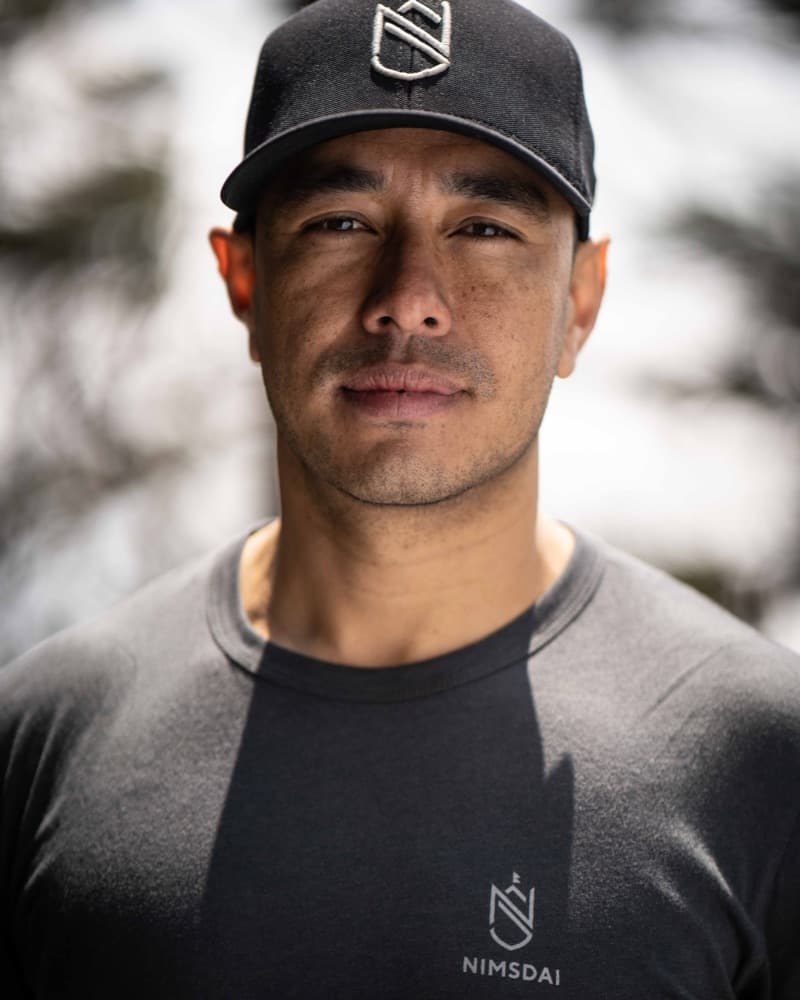
Nirmal Purja photographed in 2021

Nirmal Purja

Nims, Nimsdai

Nepal and the United Kingdom

The expedition leader, and the most widely known mountaineer alive. Born in Nepal, he served in the Brigade of Gurkhas and then in the UK Special Forces before climbing all fourteen 8,000 metre peaks in 189 days in 2019, a record that had stood at close to eight years. He was on the team that made the first winter ascent of K2 in January 2021. The Netflix film 14 Peaks made him famous outside climbing; inside it, he was already the reason a generation of Nepali guides were paid and credited by name. He founded Elite Exped, the company running this climb. He was 43.

Photograph by Iamthanes, Wikimedia Commons, CC BY-SA 4.0.

Pur Bahadur Gurung

Yukta

Laprak, Gorkha, Nepal

An IFMGA-certified guide and one of Elite Exped's most senior. He first stood on Everest at 22, in 2011, and returned nine more times. Twelve of the fourteen 8,000 metre peaks, including K2, Makalu, Annapurna and Lhotse. His body was among the three recovered on the first day.

Kili Pemba Sherpa

Kilu

Beding, Dolakha, Nepal

All fourteen 8,000 metre peaks. Fifteen Everest summits. One of the team on the first winter ascent of K2 in 2021. He guided climbers other guides would not take, including Xia Boyu, who climbed Everest on two prosthetic legs, and he did the work that established the true summit route on Manaslu. He was 46, and lead guide for Imagine Nepal.

Nima Sherpa

Makalu, Sankhuwasabha, Nepal

A senior Elite Exped guide, and by the reckoning of the people he worked with, one of the most disciplined of them. He had already summited four 8,000 metre peaks in the 2026 season alone before he set out for Broad Peak.

Nawang Thendu Sherpa

Makalu, Sankhuwasabha, Nepal

The youngest of the ten, at 29. His first Everest summit was in 2022, and in the four years after it he added Lhotse, Manaslu, Kanchenjunga, Makalu and Ama Dablam. He was from the same rural municipality as Nima Sherpa.

Gyaljen Sherpa

Gyalu

Okhaldhunga, Nepal

He held a Guinness World Record for climbing Kanchenjunga three times in a single season, a feat that reads as arithmetic and is in fact three separate expeditions to the third highest mountain on earth inside a few weeks. Everest more than once, and Manaslu, Cholatse, Himlung Himal, Lenin Peak and Mera Peak besides.

Nadhira Al Harthy

Oman

The first Omani woman to summit Everest, in 2019, and the first Omani of any gender to climb K2. She held a master's degree in geography and spent much of the last decade making the case, at home and abroad, that Gulf women belong on high mountains. Oman's foreign ministry issued condolences and noted the work she had done to build ties between Oman and Nepal. She was climbing with Seven Summit Treks. Her body was one of the three recovered on the first day.

Mallory Geis

San Antonio, Texas, United States

Thirty-nine years old, and on her first 8,000 metre peak. She had closed the Pilates studio she ran in order to climb seriously. She is the one of the ten whose loss needs the least explaining to anyone reading this page from a desk: she wanted the mountains enough to rearrange her life around them. Her body was recovered on the first day.

Wang Zhong

China

A client on the expedition. Less has been reported about him in English than about any of the other nine, which is a fact about the international press and not about the man. We will add to this entry as accurate information reaches us.
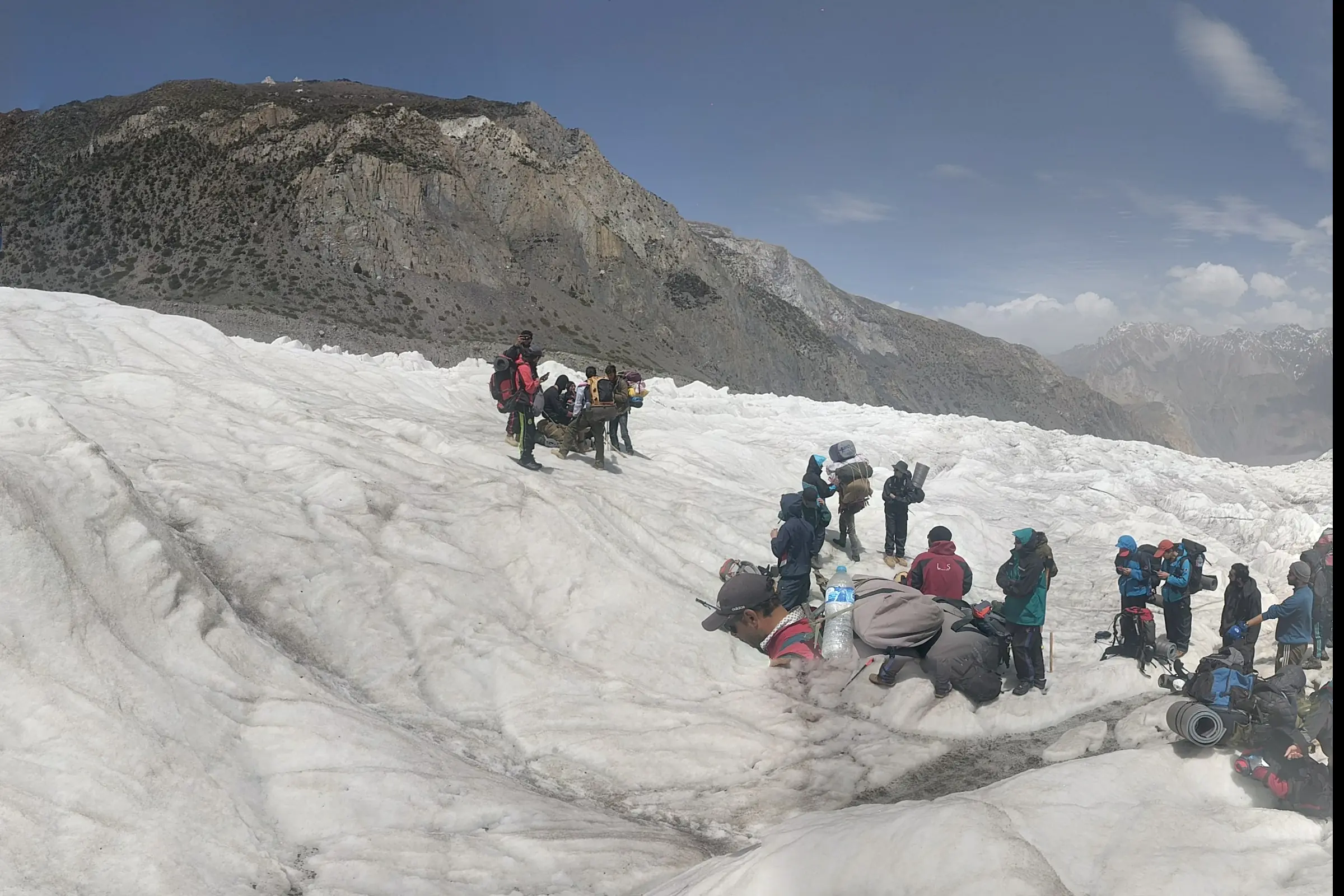
Trekkers and porters resting with their packs and loads on a glacier in the Karakoram

The people who carry the loads

Every account of this avalanche led with Nirmal Purja, and it was right to. But six of the ten who died on Broad Peak were high-altitude workers: five Nepali guides and one Pakistani one. They were not on that slope because they had a free week. They were on it because guiding at altitude is a job, and because on any 8,000 metre expedition the people who go up first, fix the ropes, break the trail and carry the loads are the people most often on unstable ground and least often in the headline.

This is not an abstraction here. Ghulkin sits under the same range. The porters, cooks and guides in this valley are our neighbours, our relatives and in some cases our own family, and the difference between a guide who comes home and one who does not is very often insurance, radios, a helicopter that can fly, and somebody raising the alarm in the first hour rather than the thirteenth. Pakistan and Nepal have both improved on this in the last decade. Neither has finished. If you climb or trek in this country, ask your operator what their guides and porters are insured for, and what the plan is when something goes wrong. Ask us the same question.

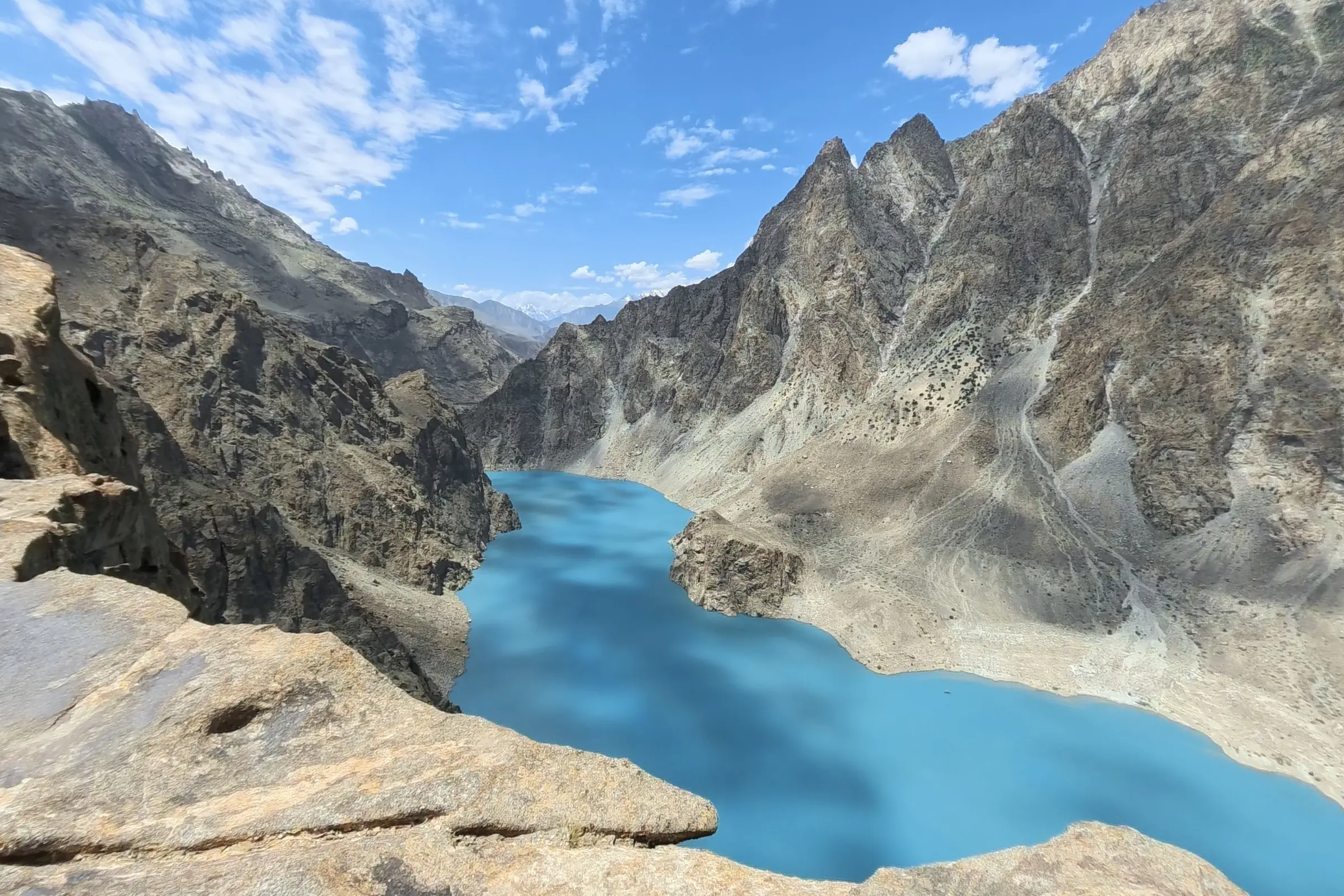
Attabad Lake far below a high rocky ridge, the kind of viewpoint a day walk from Ghulkin reaches

Is trekking in northern Pakistan safe?

People are asking this week, so here is an honest answer rather than a reassuring one.

What happened on Broad Peak is not what happens on a trek. Those ten were high-altitude mountaineers on a technical 8,000 metre climb, above 6,500 metres, on a glaciated slope, in the narrow midsummer weather window when the Karakoram is climbable at all. That is one of the most dangerous activities in the world, and everyone doing it knows the number. It is a different sport from walking to a high pasture, and it shares about as much with it as motorsport shares with driving to work.

The trekking most visitors do here, and the trekking we guide, tops out far below that. Baskochi meadow, the Patundas ridge, the Ghulkin and Passu glacier walks, Attabad and the Hussaini bridge. These are day walks and overnight camps on established routes, mostly between 2,400 and 4,200 metres, with no ropes, no fixed lines and no crevasse fields unless you specifically ask for a glacier crossing with the equipment that requires.

They are still mountains. The real risks on a Hunza trek are altitude sickness if you gain height too quickly, rockfall and loose ground on the steep sections, river and glacier crossings after hot afternoons, the Karakoram Highway itself, and weather that turns faster than it does at home. Those risks are managed by going with someone who grew up reading this particular ground, by building acclimatisation days into the plan instead of racing the itinerary, and by turning around. They are not eliminated. Nobody honest will tell you they are.

If you were planning a trip to Gilgit-Baltistan and this news has made you hesitate, that is a reasonable instinct and we would rather you asked us hard questions than quietly cancelled. Message us and ask about the specific route you had in mind.

Sources

Every fact on this page is drawn from the reporting below and written in our own words. Of the ten, only Nirmal Purja has a freely licensed photograph in existence, and it is credited on his entry. The other nine are shown without one rather than with a borrowed press photograph we have no right to publish. If you are family to any of them and would like a photograph added, please write to us.

Date
Thursday 30 July 2026, around 9am local time
Mountain
Broad Peak, 8,051 m, twelfth highest in the world
Range
Karakoram, Gilgit-Baltistan, Pakistan
Where on the mountain
Main west gully, between Camp 2 and Camp 3, about 6,600 m
Route
The standard west ridge
Died
All ten climbers on the slope
Nationalities
Nepal (6), Pakistan, Oman, United States, China
Operators on the climb
Elite Exped, Seven Summit Treks, Imagine Nepal
Confirmed
1 August 2026, by Elite Exped
Distance from Hunza
Roughly a day's travel, via Skardu and the Baltoro glacier